Institutions & security · Research

When enforcement becomes a test of federal power
Pape argues that militarized domestic enforcement can affect perceived legitimacy, public trust, and resistance beyond its immediate immigration objectives.
Established voices. Substantial disagreement. A public source for every position.
Illustrated portraits are interpretive artwork, not documentary photographs or verified facial likenesses.
We follow thinkers across different intellectual traditions, not an algorithm’s outrage ranking. Every selected argument links to its original essay, book, interview or video. Our analysis separates what the author says, what the evidence supports, and what remains unanswered.
Pape argues that militarized domestic enforcement can affect perceived legitimacy, public trust, and resistance beyond its immediate immigration objectives.
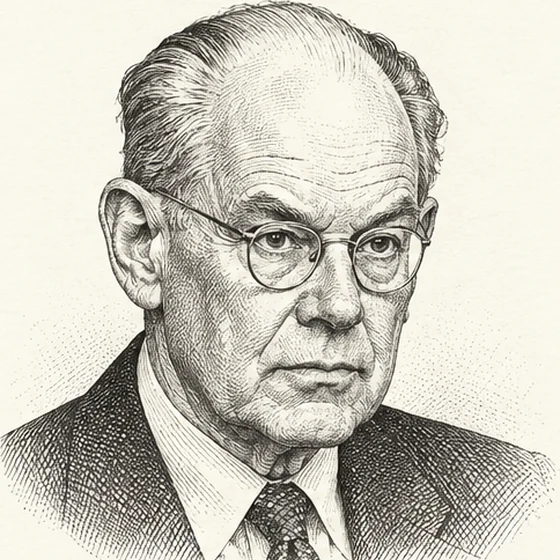
Mearsheimer argues that American attempts to spread liberal democracy abroad face powerful constraints from nationalism and great-power politics; he favors greater restraint.
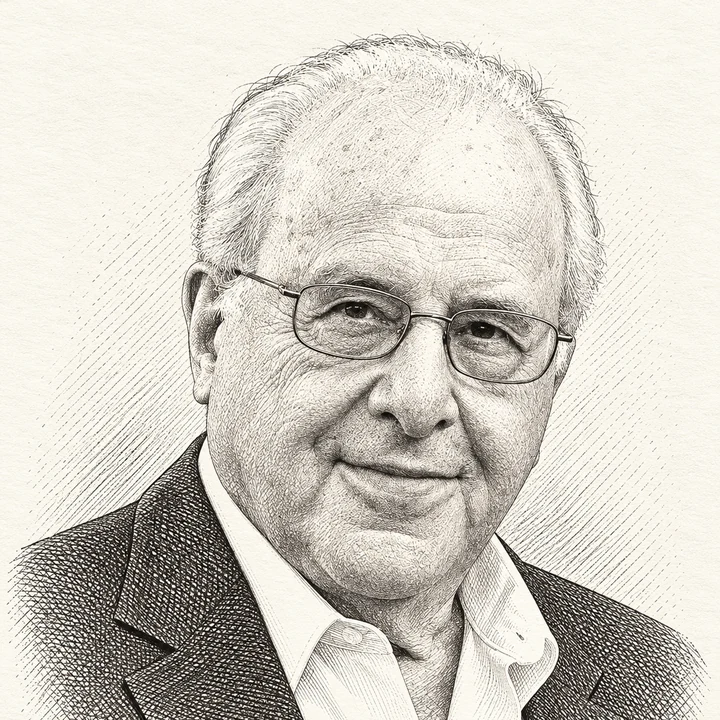
In his August 2026 program, Wolff separates two disputes often treated as one: how much power the state should exercise in the economy, and whose interests that power serves. He connects the second dispute to the Democratic Socialists of America.
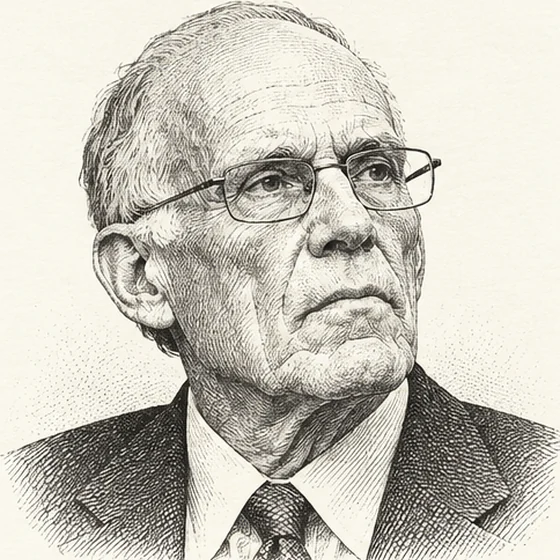
Hanson emphasizes shared civic knowledge, a substantial middle class, assimilation and a common civic identity as conditions for sustained self-government.
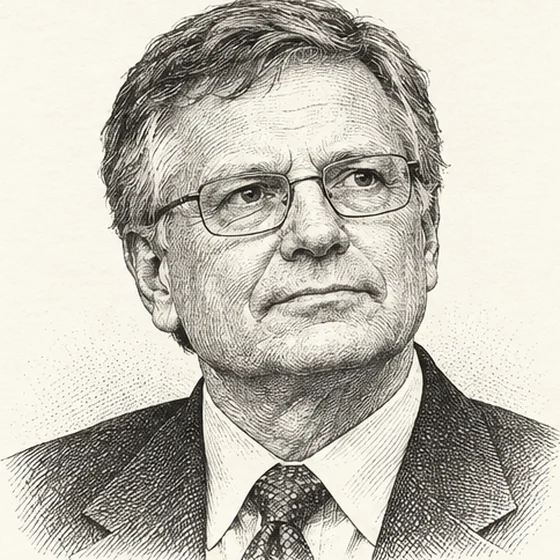
Rodrik argues that access to affordable goods cannot be the sole yardstick of a successful economy: the quality of jobs and people’s roles as workers matter too.

Applebaum’s September column argues that foreign-policy choices can be entangled with private gain and illiberal political objectives.
No matching sourced arguments. Try another topic.
Richard Wolff and Dani Rodrik start from different economic traditions. Compare the questions they ask about work, prices and institutions; this is a reading prompt, not a claim they debated one another.
Wolff’s source → Rodrik’s source →John Mearsheimer’s realist theory and Robert Pape’s empirical work operate at different levels of analysis. Compare the ways each treats the limits of coercion, without pretending their findings are interchangeable.
Mearsheimer’s source → Pape’s source →Being on this watchlist does not imply agreement, endorsement, or that we have published a sourced argument from each person. Additional work appears only after source review.
Security research; coercion and political violence
Realism; great powers and alliances
Balance of threats; U.S. strategy
Alliances and defense policy
Russia, Europe and institutions
Liberal internationalism and U.S. power
Asian perspectives and global order
Marxian economics; labor and ownership
Public value and state-led innovation
Trade, industrial policy and jobs
Markets, innovation and growth
Financial institutions and global economy
Institutions, technology and work
Banking and financial systems
Classical history and conservative thought
Authoritarianism and democratic institutions
Liberal democracy and state capacity
Inequality and civic discourse
Justice, markets and meritocracy
Ethics, capabilities and political philosophy
Institutional conservatism
Practical adoption of artificial intelligence
AI accountability and social impacts
AI reliability and limitations
Technology, productivity and labor
Computer vision and human-centered AI
Digital platforms and institutions
Moral psychology and technology